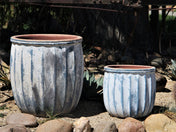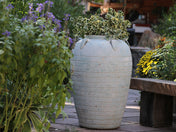


A plant growing in the ground and the same plant growing in a pot face completely different winters.
In a bed, the surrounding soil acts as a thermal mass that slows how fast the root zone cools. A container has none of that. The roots sit in a few inches of media surrounded by air, so the root zone tracks the air temperature closely.
That one difference decides which fall plants for large planters are worth buying. These five all pass the test, and each one is matched here to a planter deep enough to help it through.
Why Fall Containers Follow Different Rules Than Garden Beds
Roots are far less cold hardy than the stems and foliage above them. In the ground this rarely matters because soil insulates them. In a pot it matters a great deal.
The guidance from US extension services is consistent. Illinois Extension recommends selecting plants that will survive two zones cooler than where the plant is growing, so a gardener in zone 5 planning to overwinter a pot outdoors should look for something rated to zone 3 or 4. Brooklyn Botanic Garden gives the same two-zone advice and adds a second point that matters here: when plants must stay outdoors, use large containers, because the greater volume of soil provides increased insulation around the roots.
Call it the two-zone rule. Subtract two zones from your own, then shop to that number. It is the most useful thing to know about fall gardening in containers, and it is why large outdoor planters outperform small ones in November.
What Are the Best Plants for Fall Planters?
Dwarf Alberta spruce, Japanese maple, sedum, switchgrass, and heuchera. All five hold their appearance deep into the season, and all five survive a pot through winter in most of the country.
| Plant | Hardy to | Safe in a pot down to | How long it lasts |
|---|---|---|---|
| Dwarf Alberta spruce | Zone 3 | Zone 5 | Years |
| Sedum 'Autumn Joy' | Zone 3 | Zone 5 | Years |
| Switchgrass 'Northwind' | Zone 4 | Zone 6 | Years |
| Heuchera 'Caramel' | Zone 4 | Zone 6 | Years |
| Japanese maple 'Bloodgood' | Zone 5 | Zone 7 | Years |
| Ornamental cabbage and kale | Annual | Annual | 6 to 10 weeks |
Ornamental kale and garden mums are worth buying with clear eyes. Both give good color for about two months and then finish. Treat them as fillers tucked around the five picks below.

Dwarf Alberta Spruce for Structure That Outlasts the Season
Picea glauca 'Conica' is the most cold hardy plant on this list. Most US nursery tags rate it to zone 3, and Oklahoma State Extension rates it to zone 2 while noting it is often grown as a potted plant. Run the two-zone math and it holds in a container through zone 5 winters.
It grows slowly and keeps its conical shape with no pruning, so it looks the same in March as in September. One caution: the dense needles are prone to winter burn in exposed positions, so shelter it from drying winter wind.
A matched pair flanking a door is the arrangement that works, which is what the Manhattan Jar Planter Set of 2 in Clay is built for. Buying the pair saves hunting down a second pot that matches.
Japanese Maple 'Bloodgood' for Real Fall Color
This is the showpiece, and the one needing the most care in placement. 'Bloodgood' is rated to zone 5, so by the two-zone rule a container outdoors is reliable through zone 7 and needs protection north of that.
The deep burgundy foliage turns bright scarlet in autumn and holds for weeks. Give it afternoon shade in hot southern zones, where full sun scorches the leaf margins.
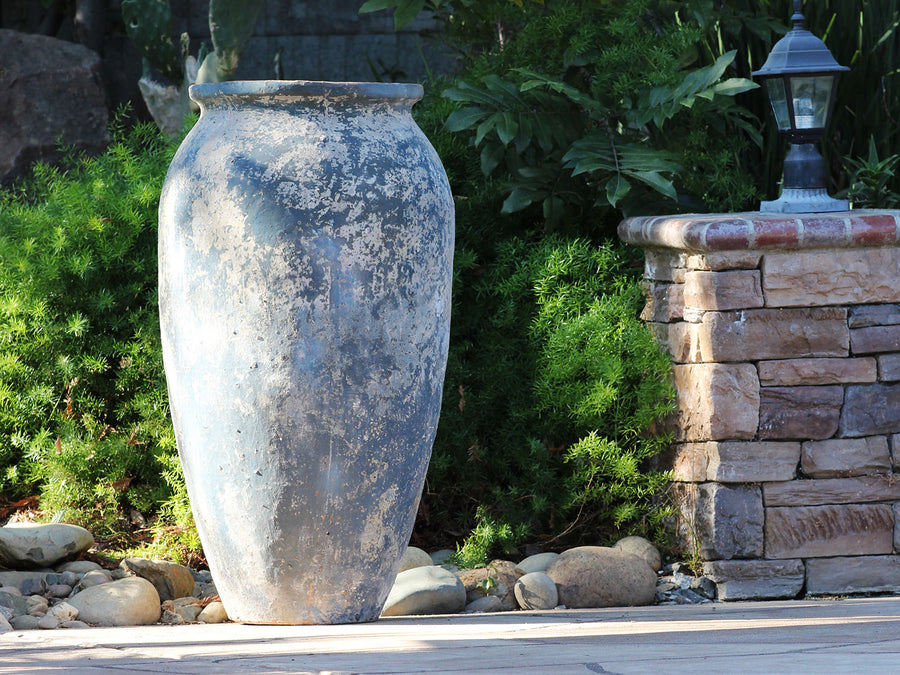
Give it the most root volume you can. The Olive Jar is the deepest vessel here, and that soil mass does double duty: it supports a developed root ball and buffers against cold. Among large planters, depth is what makes a specimen tree practical.

Sedum 'Autumn Joy' for Hard Cold and Low Water
Rated zones 3 to 9, so it clears the two-zone bar almost anywhere. Flower heads shift from rosy pink to salmon to rusty bronze across September and October, then dry and stand through winter if you leave them.
Sedum wants sharp drainage and hates sitting wet. That makes the Exara Planter a good partner. It is handmade from Cretan clay and left unglazed, so the walls stay porous and moisture evaporates through the sides. One customer bought hers for an olive tree for that reason, since the terracotta helps soil dry out between rains.
Those warm clay tones also sit well against bronze sedum heads, a cleaner pairing than rust flowers in a rust glaze.

Switchgrass 'Northwind' for Height That Holds Through Snow
Panicum virgatum 'Northwind' is rated to zone 4 and stays upright when other ornamental grasses flop. Most grasses collapse under the first wet snow. This one holds a stiff vertical column into February.
Worth knowing at the garden center: purple fountain grass is the most commonly sold grass for fall containers and it is hardy only in zones 9 and 10, so it behaves as an annual nearly everywhere in the US. 'Northwind' comes back.
A vertical plant suits a vertical vessel, which is why the Three Line Accent Jar Planter works here. The upright form of the jar echoes the grass instead of fighting it.

Heuchera 'Caramel' for Foliage Color Without Flowers
Heuchera does the work that flowers cannot sustain past October. 'Caramel' is rated to zone 4 and holds warm amber and apricot foliage from spring straight through hard frost, with no bloom cycle to end.
It is also one of the longest performing plants you can put in a fall container. Where mums peak and drop, heuchera holds.
The Slim Round Planter Set of 3 suits it well. Three graduated heights in one glaze give a layered grouping from one purchase, and the narrow tapered profile fits tight corners and walkways where wider outdoor pots would block circulation. Choose Green Stream or Falling Blue to make the amber foliage stand out.
Getting Them Through the First Freeze
Three things make the difference, and none of them cost money.
Group pots together against a south or east wall. Clustered containers shelter each other and the wall radiates stored heat overnight.
Water thoroughly before the ground freezes. Moist growing media freezes more slowly than dry, so a well watered pot gives roots more protection. Roots keep drawing water even after top growth goes dormant.
And check on them through winter. A container under a roof overhang gets no rain or snowmelt and can go bone dry by February. For how the pots themselves handle cold, see our guides to why outdoor planters crack in winter and caring for outdoor planters through changing seasons.
Start With the Zone
Subtract two zones from your own. Shop to that number. Then pick a planter with enough depth to insulate what you put in it.
Do that and your garden planters hold their look from September into spring, which is more than most seasonal outdoor garden decor manages. For plants for large outdoor planters in the warmer months, see our summer planting guide.
Frequently Asked Questions (FAQs)
Do fall container plants come back the next year?
Do fall container plants come back the next year?
The perennials and shrubs do, provided they clear the two-zone rule for your area. Mums, ornamental kale, pansies, and purple fountain grass are sold for fall but behave as annuals in most of the US.
How big should a planter be for a Japanese maple?
How big should a planter be for a Japanese maple?
Choose the largest container you can reasonably place, and select a smaller cultivar. Root volume drives both the tree's health and its cold protection, so prioritize depth.
Will mums survive winter in a pot?
Will mums survive winter in a pot?
Some mums can survive winter in pots, but florist mums are often less cold-hardy. In colder climates, protect the container or replace them each year.
Can fall plants survive outdoors in containers?
Can fall plants survive outdoors in containers?
Yes, many fall plants can survive outdoors in containers, especially cool-season plants such as pansies, violas, ornamental kale, ornamental cabbage, mums, and certain grasses. Their survival depends on the plant variety, local temperatures, and container conditions.
When should I plant fall plants in outdoor planters?
When should I plant fall plants in outdoor planters?
Early to mid September in zones 5 and 6, late September into October in zones 7 and warmer. Planting before the first frost gives roots several weeks to settle in while the soil is still warm.