

As we head into 2026, the way we design our outdoor spaces is shifting dramatically. Whether you are transforming a sun-drenched balcony into a private jungle or turning a spacious courtyard into a shaded, entertaining retreat, outdoor areas are now heavily utilized living rooms. The 2026 garden decor trends focus on tying your whole yard together, mixing raw nature with sharp, clean lines. And a surprising amount of that new look relies on the containers you choose for your plants.
This flower planters guide goes beyond the basics of digging holes. It provides a helpful framework for choosing the right planters and preparing your yard for a beautiful spring and summer garden.
Getting Ready for Spring and Summer: What to Do First
To have a successful season, you should start prepping as soon as the ground thaws. The first step is picking plants that can handle the change from cool spring rains to the hot summer sun.
For spring and early summer, three classic plants are unbeatable: Petunias, Marigolds, and Begonias. Petunias offer a lot of color and look especially great in raised planters or hanging baskets. Marigolds do double duty by providing bright colors while acting as a natural bug repellent. Begonias are the top choice for shaded areas, with thick leaves that keep them hydrated on hot days.
Getting ready means more than just buying plants; you also need to refresh your soil. Over the winter, soil in pots gets packed down, losing the air pockets roots need to grow. Before planting, take out at least the top third of last year's soil. Mix in fresh organic matter, like compost or worm castings, to add healthy nutrients back in. This step is a must if you want the big, healthy plants you see in professional gardens.
Why Planters Are a Smart Choice for Modern Gardens

Using high-quality planters is not just for looks. It is a great way to control the environment your plants grow in. When you plant directly in the ground, you have to deal with whatever soil you have, whether it is heavy clay or sandy dirt. Planters let you create the perfect soil mix for every specific plant.
Planters are also easy to move. As the sun changes from April to August, a garden bed in the ground might end up in deep shade or scorching heat. Using unique pots lets you move your plants around to get the best sunlight or protect sensitive ones from the heat.
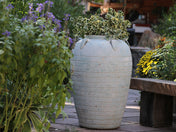
If you want a permanent centerpiece for your yard when choosing national gardening day planters, the Ancient Wine Jar gives a classic, heavy-duty look that plastic or thin ceramic pots just cannot match.
Keeping Your Planters Cool in the Summer
A big reason plants die in the summer is root bake. In hot states like Texas, Arizona, or the Midwest in July, the sun can heat the sides of a planter to over 100 to 110 degrees Fahrenheit. If the pot is made of materials that heat up quickly, like thin metal or cheap plastic, that heat goes right into the dirt and fries the roots.
High-quality planters made from terracotta, thick ceramic, and other organic materials provide much better protection. Terracotta, for example, is naturally porous and breathable, allowing air to flow and excess heat to escape. Thick ceramics act as natural insulators, changing temperature very slowly compared to thin alternatives. This keeps the delicate roots safe from big temperature swings between hot days and cool nights.
High-quality planters made from terracotta, thick ceramic, and other organic materials provide much better protection. Terracotta, for example, is naturally porous and breathable, allowing air to flow and excess heat to escape. Thick ceramics act as natural insulators, changing temperature very slowly compared to thin alternatives. This keeps the delicate roots safe from big temperature swings between hot days and cool nights.
If you want an Old World look that also protects your plants, the Turkish Jar is a perfect choice. Its thick walls offer great heat protection, and it looks like a beautiful piece of art even before you add flowers.
Better Drainage: Understanding the Perched Water Table
Good drainage is the most talked-about but least understood part of container gardening. Many people still follow the old advice of putting a layer of rocks or broken pots at the bottom of a planter. Scientifically, this is a bad idea.
Water does not flow easily between layers of different materials. This creates a perched water table, which means water gets trapped in the soil right above the rocks until the dirt is completely soaked. This leads to a lack of oxygen and causes root rot.
The better way is to make sure your planter has a clear drainage hole and to use the same high-quality potting soil all the way through the pot. For large outdoor planters, lift the pot slightly off the patio. This stops a tight seal from forming between the pot and the ground, letting air reach the drainage hole.
Creating a Multi-Level Garden Layout

As you upgrade your space for National Gardening Day, think about adding height to your design. A common mistake on American patios is flatness, where all the plants sit at the exact same eye level.
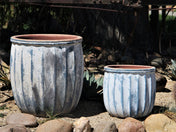
Using sets of planters in different sizes creates a layered look that feels more natural. The Mid-Height Barrel Planter Set of 3 makes this easy to do right away. You can use the largest barrel for tall plants like Canna Lilies or tall grasses, the medium one for bushy flowers like Marigolds, and the smallest one for trailing spiller plants like Creeping Jenny that hang over the edge.
Adding Unique Garden Accents
A garden should be more than just a bunch of plants; it should be a beautiful outdoor living space. Once you have your main planters set up, adding unique garden accents is the finishing touch that turns a basic yard into a professional-looking landscape.
Planters like the Ancient Qvevri can be used as standalone art or as the center of a flower display. Their unique shapes catch the eye and make the garden feel special. This is great for small spaces, where every inch matters and every item should look great.
How to Care for Your Planters
Buying the best planters for flowers is an investment. To make sure they last for years, you need to do a little basic upkeep.
- Seasonal Cleaning: Use a soft brush and a mix of water and white vinegar to clean off any hard water stains on the outside of the pots.
- Soil Rotation: Every two to three years, completely swap out the old soil in your pots. This stops diseases and leftover fertilizer salts from building up.
- Rotation for Sunlight: Every few weeks, give your planters a quarter-turn. This makes sure the plants get even sunlight on all sides so they do not get leggy or lean to one side.
A Great Time to Start
National Gardening Day is not the end of your garden work; it is just the start of the season. By investing in modern outdoor planters for sale that look great and work well, you set yourself up for a garden that survives the summer heat and looks beautiful into the fall. Whether you need decorative planters for patio spaces or large outdoor flower planters for your front porch, always focus on quality materials and healthy plants.
FAQ's
How do I calculate how much potting soil I need for large outdoor flower planters?
How do I calculate how much potting soil I need for large outdoor flower planters?
To figure out the volume, measure the inside width (diameter) and height of your pot. For a round planter, the math is 3.14 x (radius squared) x height. Convert that number into cubic feet or quarts so you know how many bags to buy at the store. Always buy about 10 percent more than you think you need because the soil will settle.
How do I prevent efflorescence on my planters?
How do I prevent efflorescence on my planters?
Efflorescence is the powdery white salt that sometimes shows up on stone or clay. It happens when minerals from your water or plant food bleed through the pot. You can wash it off with a mild vinegar mix, but the best way to prevent it is to spray a good stone sealant on the inside of the empty pot before you add dirt.
What are some national gardening day ideas for city renters with small spaces?
What are some national gardening day ideas for city renters with small spaces?
Focus on growing up, not out. Use tall, skinny planters to add plants without taking up floor space. Putting three different-sized pots in a corner can create a lush mini-forest that looks great even on a tiny balcony.
Are modern garden planters safe to leave out in the winter?
Are modern garden planters safe to leave out in the winter?
Not all of them. Frost-resistant means the pot can handle cold weather, while frost-proof means it will not crack if wet dirt freezes and expands inside it. Always check the product details.
What are the best modern garden planters for a small balcony?
What are the best modern garden planters for a small balcony?
For small balconies, vertical space is your best friend. Choose modern garden planters with a classic but sleek footprint, like a Roll Rim Urban Planter. Grouping trending ceramic planters for patios in a set of three at different heights lets you maximize your planting area without cluttering the floor space.