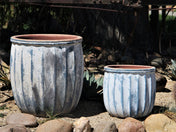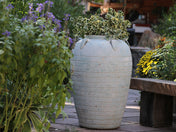


Thoughtfully chosen planters can change the way a garden feels. They frame views, add height where everything feels flat, and bring colour and texture right up close. Even a simple patio or balcony starts to look more intentional once you begin working with a few well-placed containers and some clear garden planter ideas.
This piece walks through how to select and arrange different types of planters so your outdoor space looks pulled together rather than random.
Begin with a Clear Picture of Your Space
Before you start shopping, pause and think about the overall mood you want outdoors. Some people prefer calm, minimalist spaces, others are drawn to formal layouts, and some like a more relaxed, rustic or tropical look.
Once that mood is decided, it becomes easier to choose shapes, colours, and finishes that relate to each other. That single step will influence all your later choices, where to place garden planters, how many to use, and which spots to emphasise.
A few questions help:
- Which corners or stretches look empty or unfinished?
- What do you see most often from inside the house or from your main seating area?
- Do you want one or two strong focal features, or a softer, more blended layout?
The answers give direction to your outdoor planter styling and help you judge which areas genuinely need containers and which are better left open.
Give the Entrance a Classic Look with Urn Planters

Give the Entrance a Classic Look with Urn Planters
If you like a more traditional or formal feel, sculpted urns are an easy way to introduce it. A piece like the Stone Urn looks especially good at the front door, on porch steps, or at the start of a pathway when placed as a pair.
You can keep the planting simple: a neatly clipped boxwood or a dwarf conifer already looks complete in this kind of decorative outdoor planter. For a softer edge, add a ring of seasonal flowers or trailing ivy spilling over the rim.
Using matching urns on either side of an entrance is a straightforward garden planter idea that quickly gives the front of the house more presence without needing extensive landscaping.
Shop NowUse Oversized Planters as Focal Points
Use Oversized Planters as Focal Points
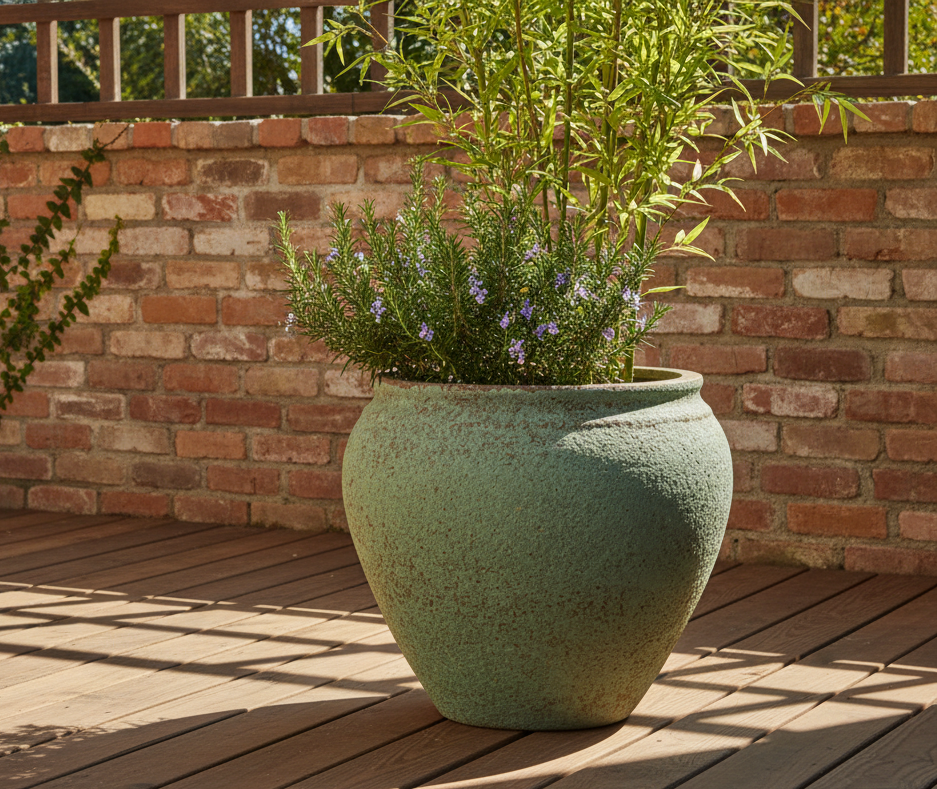
In open lawns, wide courtyards, or broad patios, a single oversized container can become the main feature. The Colossal Planter is designed for that kind of role, where it anchors a view and naturally draws attention.
It can sit in the middle of a circular driveway, act as a full stop at the end of a path, or stand alone on a generous terrace. Plant it with a small ornamental tree, a bold grass, or a layered combination where a taller centre plant is surrounded by lower fillers and trailing edges.
Handled this way, one or two large planters for garden spaces can do the work of many smaller ones and make the whole layout feel more deliberate.
Shop NowModern Lines: Planters for Contemporary Homes

Modern Lines: Planters for Contemporary Homes
For homes with cleaner, more architectural lines, it makes sense to look at modern garden planters with geometric shapes and simple finishes. The Ivory Hex Planter is a good example if you like a sharp, structured look.
nstead of scattering them, try grouping three to five containers of varying heights. Keeping to a fairly tight colour palette. White, grey, black, and strong green foliage, prevents the arrangement from feeling busy. These planters sit well along steps, beside sliding doors, or on terraces and balconies where they can act as a link between indoors and outdoors.
Strongly shaped plants like snake plants, agaves, and certain succulents suit this type of container and reinforce the calm, graphic mood.
Shop NowAdd Texture with Nature Inspired Planters
Add Texture with Nature Inspired Planters
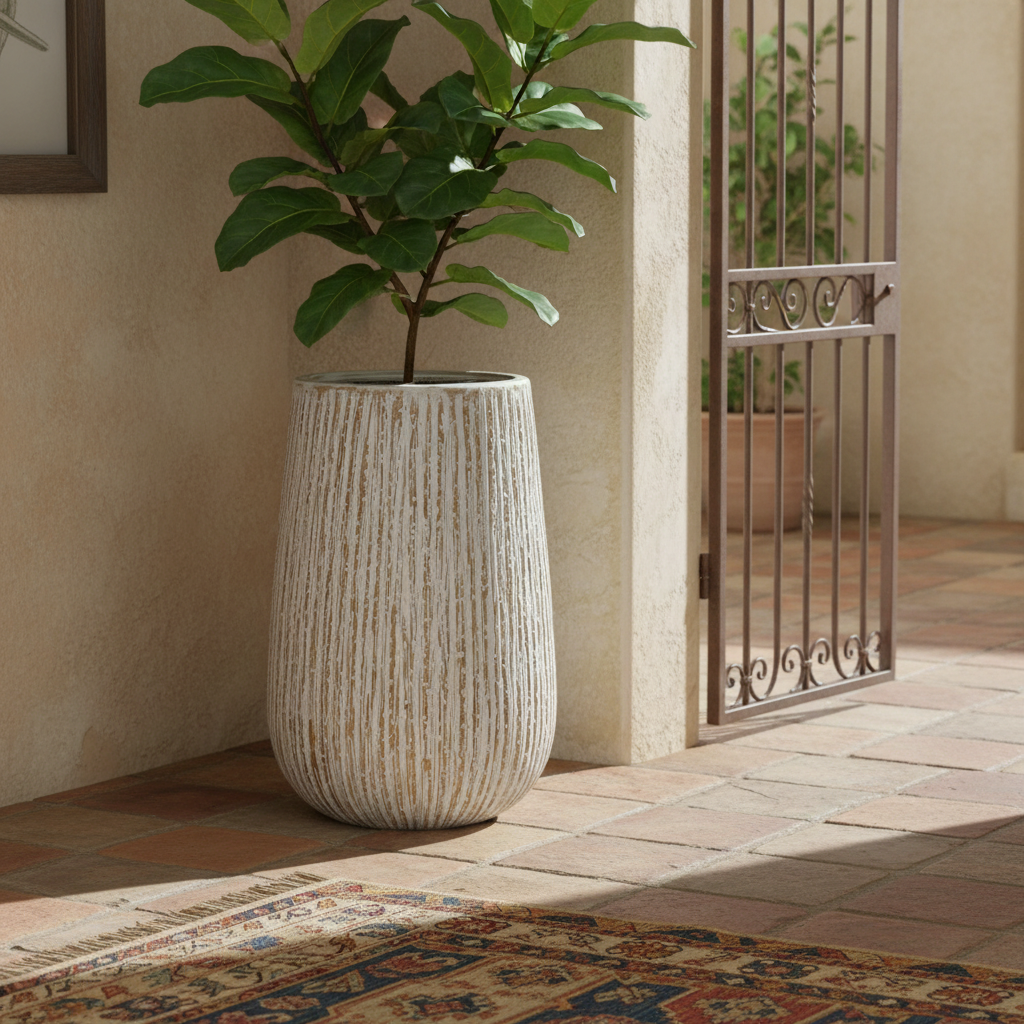
Not every garden needs a crisp, modern approach. If your space leans towards more rustic, woodland, or tropical, texture starts to matter more than sharp lines. The Bark Texture Planter brings in that rough, organic feel that sits comfortably around greenery.
It works well tucked under trees or in shadier corners with ferns and hostas, or near materials like timber decks, stone walls, and gravel paths that already feel natural. Fill it with flowering plants such as hydrangeas, begonias, or impatiens if you want colour against the textured surface.
Pieces like this are some of the best planters for garden styling when you want containers to feel like part of the landscape rather than separate decorative objects.
Shop NowUse Curved Planters to Soften Straight Lines

Use Curved Planters to Soften Straight Lines
Many outdoor spaces are dominated by straight edges like boundary walls, fences, tiled patios, and building lines. To break that up, curved shapes can make a noticeable difference. The Sphere Planter brings in a soft, rounded form that works as a gentle contrast.
You can place one on each side of a garden bench or an outdoor sofa, or line them up along a path so they create a quiet rhythm as you move through the garden. They pair nicely with upright or spiky plants, because the contrast between the curved container and the strong foliage gives the planting more presence.
These spherical containers fit well in both modern and slightly more relaxed settings and are an effective option when planning subtle outdoor garden decor ideas.
Shop NowBuild Lush Groupings with Planter Sets

Build Lush Groupings with Planter Sets
If you are drawn to fuller, layered planting rather than single statement pieces, a set of containers gives you more flexibility. The Deep Bowl Planter is useful when you want to create a grouped display or spread similar forms across different parts of the garden.
One simple approach is to arrange the largest bowls at the back, the medium ones in front of them, and the smallest at the very front. Then mix three types of plants:
- Taller, upright forms such as ornamental grasses, salvias, or compact shrubs
- Rounded, mounding plants like marigolds or geraniums
- Trailing varieties like creeping jenny, ivy, or lobelia, falling over the edges
Set a grouping like this beside a seating area, along a fence, or near a frequently used door. These kinds of garden planter ideas are especially useful in tighter spaces where one well-planned cluster can make a strong impact without taking over the entire area.
Shop NowBringing It All Together
Selecting the right planters and placing them carefully can refresh a garden without any major construction work. From classic urns and textured finishes to contemporary shapes and layered sets, there are many garden planter ideas that can help you shape an outdoor space that feels considered, welcoming, and personal to your home.
FAQ's
How many planters are enough for one garden?
How many planters are enough for one garden?
There is no fixed number, but a few strong pieces usually work better than many small ones. One or two large planters for garden spaces, supported by a small selection of medium containers in key spots, often give a balanced, uncluttered look.
Is it okay to mix different planter styles and materials?
Is it okay to mix different planter styles and materials?
Yes, provided there is some link between them. You can combine modern garden planters with more rustic designs if you repeat certain colours, echo a similar shape, or use related planting styles. The result should feel varied but not chaotic.
Which plants work best in decorative outdoor planters?
Which plants work best in decorative outdoor planters?
Start with what your light and climate will allow. Full sun, part shade, or shade. Then combine structure (small shrubs or evergreens), colour (seasonal flowers), and texture (grasses and trailing plants). Containers that mix these three elements tend to look richer and more complete.
How can I visually connect my patio and lawn?
How can I visually connect my patio and lawn?
Use some of the same planters for patio and lawn areas so they feel like parts of one design. For example, a modern hex planter at the patio doors can be echoed by a larger, related shape or colour placed further out in the lawn. This repetition subtly ties the different zones together.