

Plants can completely change how a home feels. A few green corners can make any space look warm, calm, and full of life. But one thing many people overlook is how much the decorative planters matter. The right planter can make your plants thrive and your home look beautiful. The wrong one can do the opposite.
It’s easy to fall for a pretty pot and forget about what your plant actually needs. But good design and good plant care should go hand in hand. Let’s look at five common mistakes people make when picking planters and how you can avoid them to keep your plants healthy and your home stylish.
These concepts offer creative, high-impact ways to display your key Talavera products, working for both large parties and intimate gatherings:
1. Ignoring Drainage
1. Ignoring Drainage
This is the biggest mistake new plant owners make. Without proper drainage, water stays trapped at the bottom of the pot. That leads to soggy roots and eventually root rot.
Many decorative pots don’t have holes because they’re made to look nice, not to support living plants. They look great on shelves, but they can quietly hurt your plants over time.
The fix: Always choose planters with drainage holes. If you love a pot that doesn’t have one, place your plant in a smaller plastic nursery pot with holes, then set it inside the decorative one. You’ll still get the same look but with better drainage.
Some people add a layer of rocks to the bottom to “improve” drainage, but that doesn’t actually help. The water still collects at the bottom, it just sits on the rocks. The only real solution is a drainage hole.
2. Picking the Wrong Material
2. Picking the Wrong Material
The material of your planter affects how much air, water, and heat your plant gets. It’s not just about looks. Each material behaves differently, so which one are you going to choose?
Terracotta is a popular choice because it’s porous, meaning it lets air flow through the soil. It’s perfect for succulents and cacti but not great for plants that need constant moisture, like ferns or peace lilies. If you paint or seal terracotta, it holds moisture longer but loses some of that breathability.
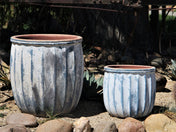
Ceramic planters, especially handmade ceramic planters, add a classy, polished touch to your space. They’re durable but heavy, and glazed versions can trap water longer. Watch for sharp rims or edges on handmade ones.
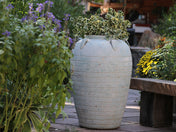
When picking outdoor decorative planters, think about your climate. Hot, dry areas may do better with materials that hold moisture, while humid or rainy areas need planters that dry quickly.
3. Choosing the Wrong Size
3. Choosing the Wrong Size
Planter size makes a huge difference. A pot that’s too small will cramp the roots and force you to water constantly. One that’s too big can hold too much soil and stay wet for too long, which may cause rot.
Here’s a quick guide:
- For small plants, go 1–2 inches wider than the current pot.
- For larger plants, go 2–3 inches wider.
If you’re moving your plant into garden planters or stylish pots for plants, remember that fast growers need more room, while slow growers do better in snug pots. When the fit is right, roots grow evenly, and your plant stays strong and healthy.
4. Focusing Only on Looks
4. Focusing Only on Looks
We all love a stylish pot. Sleek concrete, glossy ceramic, or a bold color that matches our décor. But looks aren’t everything. A pretty planter that traps water or gets too hot can stress your plants.
When choosing modern decorative planters or stylish outdoor planters, make sure they look good and work well. Check the drainage, size, and material first. Then think about how it fits with your space.
The best planters for home and garden combine both form and function. They complement your home while giving your plants what they need to grow. Remember, a thriving plant is always the best design piece in the room.
5. Forgetting About Placement and Care
5. Forgetting About Placement and Care
Even the right planter won’t help if it’s in the wrong spot. Where and how you place your plants affects their growth and how your space feels.
Arrangement: Don’t line up pots in a straight row. It looks flat and blocks airflow. Group planters in threes or fives, mixing sizes and heights to make it look more natural.
Accessibility: Heavy planters that are hard to reach often get neglected. Use plant stands with wheels or caddies for large outdoor decorative planters so you can move them easily for sunlight or cleaning.
Environment: Match the location with your plant’s needs. Bright light? Go for ceramic or terracotta. Shady or humid areas? Plastic or fiberglass might be better.
Space: If you’re decorating a small apartment or balcony, don’t overcrowd. Use planters for small spaces - hanging pots, wall planters, or tiered shelves - to save floor space and still create that green, cozy look.
Style: Finally, make sure your decorative planters go well with your home garden decor. Think about your color palette, textures, and finishes. Matching these details makes your home feel more balanced and inviting.
Key Takeaways
Choosing the right planter is more than picking a pretty pot. It’s about creating a space where your plants can grow and your style can shine.
Here’s what to remember:
- Always check for drainage.
- Match material with your plant and environment.
- Pick the right size.
- Don’t let looks outweigh function.
- Think about placement and easy care.
With these simple steps, you can confidently choose decorative planters that look beautiful and keep your plants healthy year-round. Whether you’re setting up modern planters indoors or stylish pots for plants on your patio, your green space will feel alive and well cared for.
FAQs
What should I do if my favorite decorative planter doesn’t have a drainage hole?
What should I do if my favorite decorative planter doesn’t have a drainage hole?
Keep your plant in a smaller pot with holes and place it inside the decorative one. That way, water can drain out, and you still get the look you want.
How do I know what size planter is right for my plant?
How do I know what size planter is right for my plant?
Go 1-2 inches bigger for small plants and 2-3 inches for larger ones. This gives roots room to grow without leaving too much soggy soil.
Are terracotta pots good for every plant?
Are terracotta pots good for every plant?
No. They’re best for succulents and cacti that like dry soil. Moisture-loving plants can dry out too fast in terracotta.
How can I arrange several planters without making my space look cluttered?
How can I arrange several planters without making my space look cluttered?
Group pots of different heights and shapes together instead of lining them up. Add hanging planters or shelves to create layers, especially in small spaces.